
How I Design Squarespace Websites for Small Businesses
Every project is different, but most follow the same core process. The goal is always the same: a website that reflects the business accurately, works well for visitors, and is straightforward to maintain and build on over time.
1. Discovery
Every project starts with understanding the business properly before touching the website.
That means looking at what the business actually does, how it generates enquiries, which services matter most, and what success looks like in practice.
I also review what's already in place: an existing website, a Google Business Profile, how competitors are positioning themselves.
The aim is to understand what's working, what isn't, and what the website needs to do differently.
Getting this right at the start shapes everything that follows.

2. Direction
With a clear picture of the business, the focus shifts to how the website should work and what it should say.
That covers messaging (why the business exists, how it works with clients, what makes it a better choice), visual direction (working with existing logos, colours and assets, simplifying where needed), and SEO foundations (page structure, keyword focus, local signals).
These aren't separate workstreams. They inform each other and are resolved together before the build starts.
I'll also recommend the right scope at this stage: a full new build, a focused refresh, or something more targeted. The aim is the right level of work, not more than necessary and not less than what's needed to make a real difference.

3. Build
Once direction is agreed, the Squarespace build begins.
I develop the site to a strong first draft before review, so you can see how everything works together rather than approving it piecemeal.
Feedback is incorporated, the site is refined, and final checks are made before launch.
Trust signals (testimonials, accreditations, examples of work) are built into the structure rather than added as an afterthought.

4. Launch and handover
Once the site is ready, it goes live. There's a short period after launch where small refinements can be made based on real use.
After that the site is handed over properly: set up in a way you can manage yourself, without needing to come back to me for routine updates.
Some clients choose to make further improvements after launch, including content updates or SEO work. There's no requirement for this, but it's available where it makes sense.

Recent Squarespace website work
A small selection of recent Squarespace projects for service-based businesses. Each one needed a clearer structure, stronger messaging and a website that better reflected the business behind it.
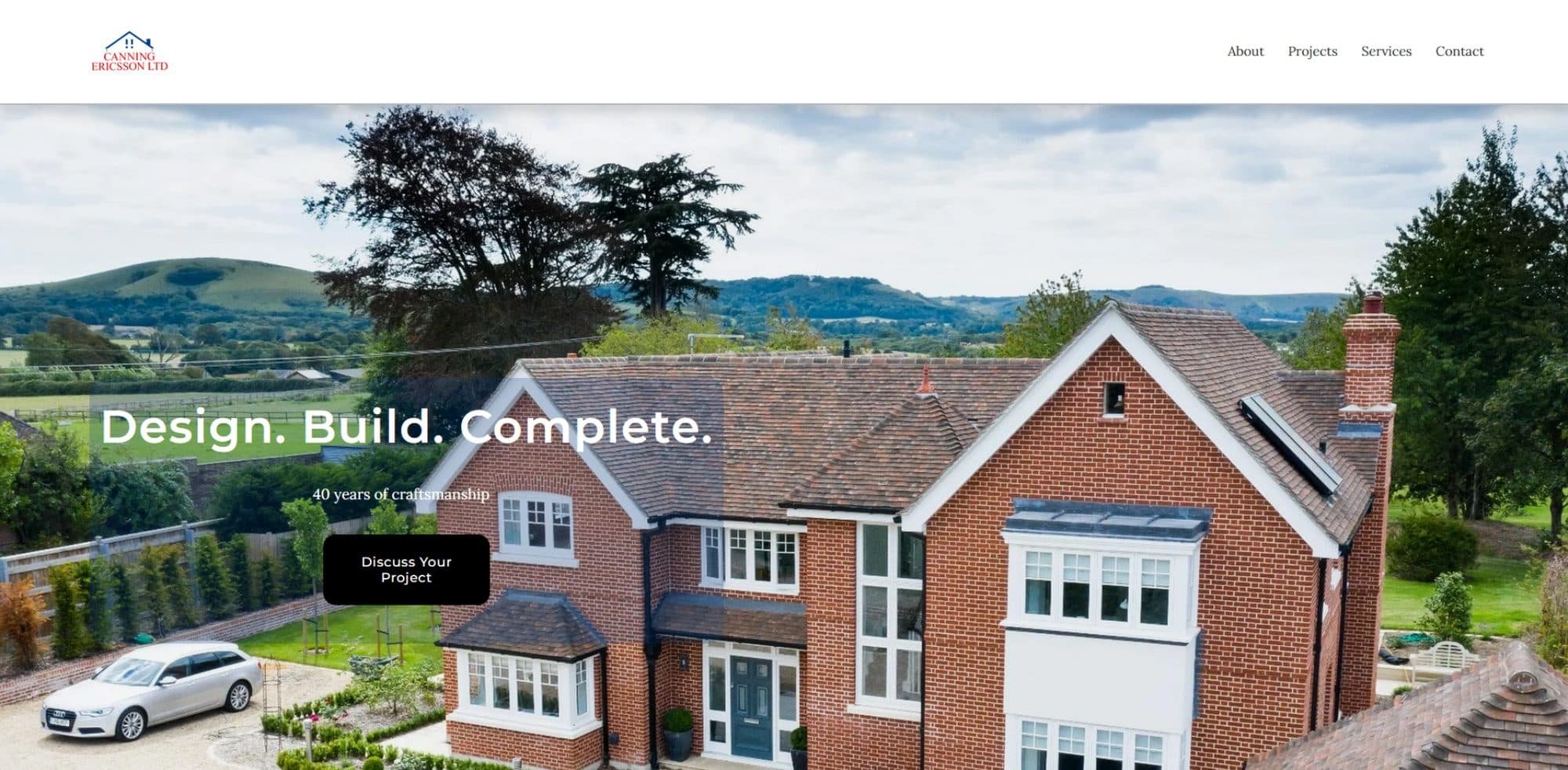
Sussex construction and property business
A Squarespace rebuild for an established building firm whose online presence needed to better reflect the quality of its work. The project focused on clearer service structure, stronger credibility and better enquiry paths.
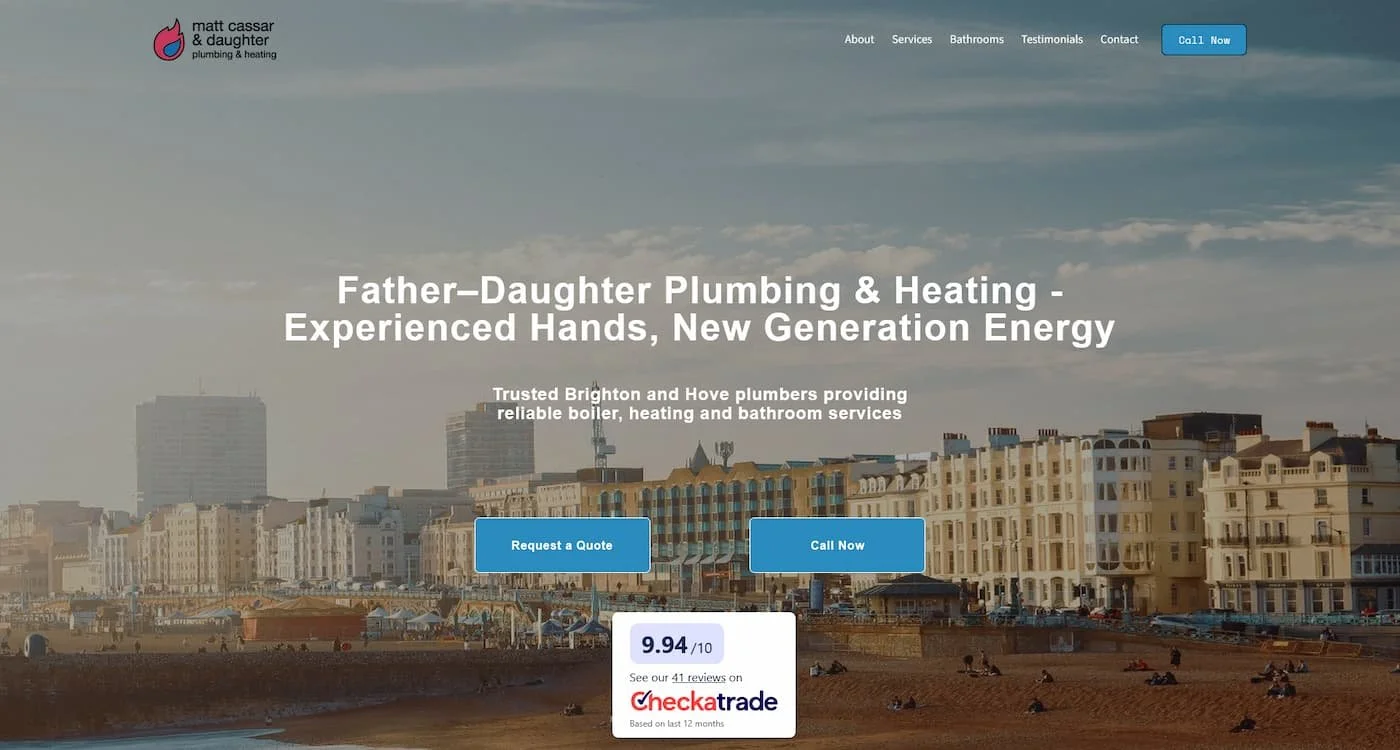
Brighton plumbing and heating business
A full Squarespace rebuild for a local trade business whose old website no longer reflected the quality of the work. The new site clarified services, improved structure and made it easier for customers to get in touch.
Thinking about a new website or a refresh?
If you're considering a new website or improving an existing one, take a look at the website design and website refresh services, or get in touch to talk through the options.